Area Overview for Somerset
Photos of Somerset
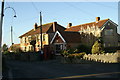
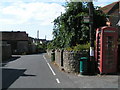
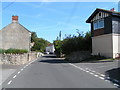

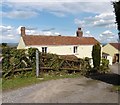
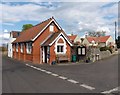
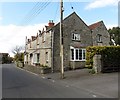
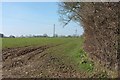


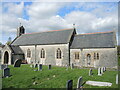
Area Information
Somerset stands as a ceremonial county in South West England, covering a substantial landmass of 4258.2 km². This large region borders the Bristol Channel to the northwest, Gloucestershire to the north, and extends toward Devon and Dorset in the south. Unlike typical local government boundaries, this designation encompasses both the traditional administrative county and the unitary authorities of Bath and North East Somerset and North Somerset. The county town is Taunton, located near the given coordinates of 51.14895266382948, -2.889989661748459, which place it in west-central Somerset. Historical records show the name derives from Old English *Sumorsǣte*, though the suffix 'shire' was officially dropped when the Somerset County Council established in 1889. The area has functioned as a key geographic and historic entity since the Local Government Act 1888 redefined judicial and administrative roles. Living in Somerset means residing in a territory with deep historical roots that span from medieval times through significant 19th-century reforms. The boundaries have shifted during reorganisations such as the 1974 changes, yet the identity remains stable. Prospective residents should expect a landscape defined by this broad ceremonial scope rather than a single compact urban centre. The area offers space for those seeking environments beyond major metropolitan limits while remaining connected to broader regional centres like Bath and Bristol. ### The community profile of Somerset reflects a settled population with a median age of 70, indicating an older demographic compared to many other parts of the UK. While the specific breakdown for the most common age range is noted simply as 'Age: Total' in available records, the high median age suggests a resident base accustomed to quieter neighbourhoods and established lifestyles. Home ownership stands at 69%, a figure that signals a strong tradition of resident investment within the static housing stock. This high rate implies that you are likely to buy a property you intend to stay in for a long duration rather than renting temporarily. The accommodation types, household compositions, and predominant ethnic group data are recorded under generic 'total' categories, meaning specific sub-groupings are not detailed in current records. Similarly, religious affiliation data is aggregated under a 'total' header without further segmentation. Despite the lack of granular diversity statistics, the stability of home ownership speaks to a community where residents have deep local roots. Living in Somerset means joining a population where the majority of households own their homes outright or with a mortgage, fostering a sense of permanence. The demographic landscape prioritises stability, with the high ownership percentage serving as a tangible indicator of long-term community engagement and residency. ### Looking at the property market, Somerset presents a landscape dominated by owner-occupied homes. The home ownership rate of 69% indicates that the vast majority of residents do not rent but hold an interest in their own property. This high level of ownership suggests that the housing stock consists primarily of families and individuals who have purchased homes to live in permanently, rather than a transient rental sector. When evaluating Somerset for purchasing, you should anticipate a market where sold properties outnumber long-term rentals significantly. The data does not specify the number of homes available for immediate sale in active listings, but the ownership percentage provides a reliable proxy for the stability of the market. You will likely encounter a variety of accommodation types, although specific counts for flats versus houses are not itemised in the current dataset. The prevailing statistic of 69% ownership reinforces that you will be buying from other owners, which often carries different due diligence requirements than buying from a landlord. This market structure means property values are closely tied to local employment and lifestyle appeal rather than short-term letting yields. If you are considering homes in Somerset, expect a transactional environment focused on home sales where buyers and sellers are both typically motivated by long-term living arrangements rather than short-term tenancy cycles. ### Connectivity for residents of Somerset includes strong mobile coverage with a score of 81 out of 100. This rating classifies the mobile network quality as good, ensuring that you can rely on signal strength for daily communication and navigation throughout much of the region. Digital connectivity also supports working from home, as the mobile network quality score suggests robust data transmission capabilities suitable for video conferencing and cloud-based tools. While the data does not provide a separate fixed broadband score, the mobile infrastructure indicates that the region maintains modern standards for wireless connection. Living in Somerset means you will experience reliable mobile coverage that supports standard internet-dependent tasks without frequent dropouts. The area is situated near major transport nodes, though the data does not list specific train lines or motorway numbers, the strong digital score compensates for any perception of rural isolation. If you require high-speed internet for professional work, the 81 score confirms that Somerset meets the baseline expectations for good connectivity. This level of service reduces the friction often associated with remote working in the South West. The combination of a 69% home ownership rate and good mobile coverage creates an environment where digital tasks blend seamlessly with physical living. You can expect consistent service that underpins modern daily life without needing premium-tier urban fibre specifications for basic needs. ### Who typically lives in Somerset?The community in Somerset skews towards an older demographic, with a median age of 70. Home ownership is high at 69%, indicating that the majority of residents are established homeowners rather than renters. Is the mobile coverage in Somerset sufficient for remote work?The mobile network quality score is 81, which rates as good on a scale of 0 to 100. This level of coverage supports reliable connectivity for communication and basic data tasks across the region. What defines the property market in Somerset?Somerset is defined by a high level of resident ownership, with 69% of households owning their homes. This suggests a stable market where most transactions involve buying from other long-term residents rather than landlords. How large is the area of Somerset?The ceremonial county of Somerset covers 4258.2 km². It borders the Bristol Channel to the northwest and extends toward Devon and Dorset to the south and east.
- Area Type
- Ceremonial Counties Region
- Area Size
- 4258.2 km²
- Population
- Not available
- Population Density
- Not available
Demographics
The community profile of Somerset reflects a settled population with a median age of 70, indicating an older demographic compared to many other parts of the UK. While the specific breakdown for the most common age range is noted simply as 'Age: Total' in available records, the high median age suggests a resident base accustomed to quieter neighbourhoods and established lifestyles. Home ownership stands at 69%, a figure that signals a strong tradition of resident investment within the static housing stock. This high rate implies that you are likely to buy a property you intend to stay in for a long duration rather than renting temporarily. The accommodation types, household compositions, and predominant ethnic group data are recorded under generic 'total' categories, meaning specific sub-groupings are not detailed in current records. Similarly, religious affiliation data is aggregated under a 'total' header without further segmentation. Despite the lack of granular diversity statistics, the stability of home ownership speaks to a community where residents have deep local roots. Living in Somerset means joining a population where the majority of households own their homes outright or with a mortgage, fostering a sense of permanence. The demographic landscape prioritises stability, with the high ownership percentage serving as a tangible indicator of long-term community engagement and residency. ### Looking at the property market, Somerset presents a landscape dominated by owner-occupied homes. The home ownership rate of 69% indicates that the vast majority of residents do not rent but hold an interest in their own property. This high level of ownership suggests that the housing stock consists primarily of families and individuals who have purchased homes to live in permanently, rather than a transient rental sector. When evaluating Somerset for purchasing, you should anticipate a market where sold properties outnumber long-term rentals significantly. The data does not specify the number of homes available for immediate sale in active listings, but the ownership percentage provides a reliable proxy for the stability of the market. You will likely encounter a variety of accommodation types, although specific counts for flats versus houses are not itemised in the current dataset. The prevailing statistic of 69% ownership reinforces that you will be buying from other owners, which often carries different due diligence requirements than buying from a landlord. This market structure means property values are closely tied to local employment and lifestyle appeal rather than short-term letting yields. If you are considering homes in Somerset, expect a transactional environment focused on home sales where buyers and sellers are both typically motivated by long-term living arrangements rather than short-term tenancy cycles. ### Connectivity for residents of Somerset includes strong mobile coverage with a score of 81 out of 100. This rating classifies the mobile network quality as good, ensuring that you can rely on signal strength for daily communication and navigation throughout much of the region. Digital connectivity also supports working from home, as the mobile network quality score suggests robust data transmission capabilities suitable for video conferencing and cloud-based tools. While the data does not provide a separate fixed broadband score, the mobile infrastructure indicates that the region maintains modern standards for wireless connection. Living in Somerset means you will experience reliable mobile coverage that supports standard internet-dependent tasks without frequent dropouts. The area is situated near major transport nodes, though the data does not list specific train lines or motorway numbers, the strong digital score compensates for any perception of rural isolation. If you require high-speed internet for professional work, the 81 score confirms that Somerset meets the baseline expectations for good connectivity. This level of service reduces the friction often associated with remote working in the South West. The combination of a 69% home ownership rate and good mobile coverage creates an environment where digital tasks blend seamlessly with physical living. You can expect consistent service that underpins modern daily life without needing premium-tier urban fibre specifications for basic needs. ### Who typically lives in Somerset?The community in Somerset skews towards an older demographic, with a median age of 70. Home ownership is high at 69%, indicating that the majority of residents are established homeowners rather than renters. Is the mobile coverage in Somerset sufficient for remote work?The mobile network quality score is 81, which rates as good on a scale of 0 to 100. This level of coverage supports reliable connectivity for communication and basic data tasks across the region. What defines the property market in Somerset?Somerset is defined by a high level of resident ownership, with 69% of households owning their homes. This suggests a stable market where most transactions involve buying from other long-term residents rather than landlords. How large is the area of Somerset?The ceremonial county of Somerset covers 4258.2 km². It borders the Bristol Channel to the northwest and extends toward Devon and Dorset to the south and east.