Area Overview for Burn Valley Ward
Photos of Burn Valley Ward
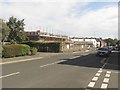
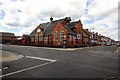
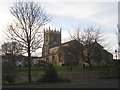
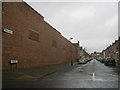
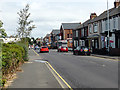
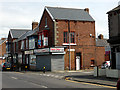
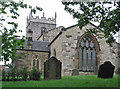
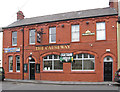
Area Information
Living in Burn Valley Ward offers a distinct experience within Hartley Wintney's broader landscape. This district borough unitary ward measures just 2.6 square kilometres, yet it holds a population of 1,487 residents. That density reaches 564 people per square kilometre, indicating a compact community where neighbours are likely familiar with one another. You will find a quiet residential setting defined by its small footprint and concentrated settlement. The area forms part of the civil parish of Hartley Wintney, situated near the village of Connerley on the New Forest border. Daily life here revolves around proximity to local amenities rather than vast urban infrastructure. The limited land area means that green spaces and residential zones are closely intertwined. You do not travel far to access the services that support this specific part of the borough structure. The ward represents a slice of Hampshire that balances rural proximity with defined municipal boundaries. Your journey from the outskirts of the village leads directly into this specific administrative zone. The sheer concentration of residents within such a small space creates an intimate neighbourhood atmosphere. You can walk across much of the ward without needing a vehicle. The boundaries are clearly defined, making it easy to understand the scope of your local area. This compactness offers convenience for those who prefer a short walk to shops or transport links. The ward stands as a distinct unit within the larger Hartley Wintney parish structure.
- Area Type
- District Borough Unitary Ward
- Area Size
- 2.6 km²
- Population
- 1487
- Population Density
- 564 people/km²
Demographics
The community in Burn Valley Ward reflects a specific demographic profile shaped by its resident base. The median age stands at exactly 70 years, marking this as a largely retired population. This figure suggests that most households are formed by older adults rather than young families entering the housing market. You will encounter a smaller proportion of children and school-age groups in your daily interactions. Home ownership levels sit at 49%, a figure slightly below the national average for the UK. This statistic indicates that roughly half of the residents have purchased their property, while the other half rely on renting. Accommodation types extend beyond standard detached houses, though the specific breakdown of bungalows versus semi-detached homes requires looking beyond the provided summary. The household composition data shows a total mix, yet the age profile dictates that single-person households or couples without children will dominate the street scenes. Ethnic diversity and religious affiliations are recorded as totals in the general dataset, reflecting the makeup of the wider surrounding parish. The age skew means you are buying into a tranquil environment where evening streets are often quiet. The 49% ownership rate suggests a balanced mix of long-term owners and tenants co-existing peacefully. DEPRIVATION DATA IS NOT AVAILABLE FOR THIS SPECIFIC WARD IN THE CURRENT DATASET, SO YOU CANNOT ASSESS SOCIAL INEQUALITY FOR THIS LOCATION. FOCUS INSTEAD ON THE AGE PROFILE, WHICH SHAPES YOUR NEIGHBOURBOURHOOD EXPERIENCE SIGNIFICANTLY.
Household Size
Accommodation Type
Tenure
Ethnic Group
Religion
Household Composition
Age
Household Deprivation
NS-SEC
Explore more demographic insights in this area
Go to Demographics tabPlanning
Planning Constraints
- Flood RiskPremium
- Ramsar Wetland SitesPremium
- Area of Outstanding Natural BeautyPremium
- Protected Nature ReservePremium
- Protected WoodlandPremium
- Crime RiskPremium